Before beginning my research to focus on my genre I want to have an understanding of exactly what color theory and narratives are. Color theory is the study of how color mix and interact. This can affect emotions and how someone may interpret something. Traffic lights are a great example of this, when the light turns red you react by stopping.
Color Theory
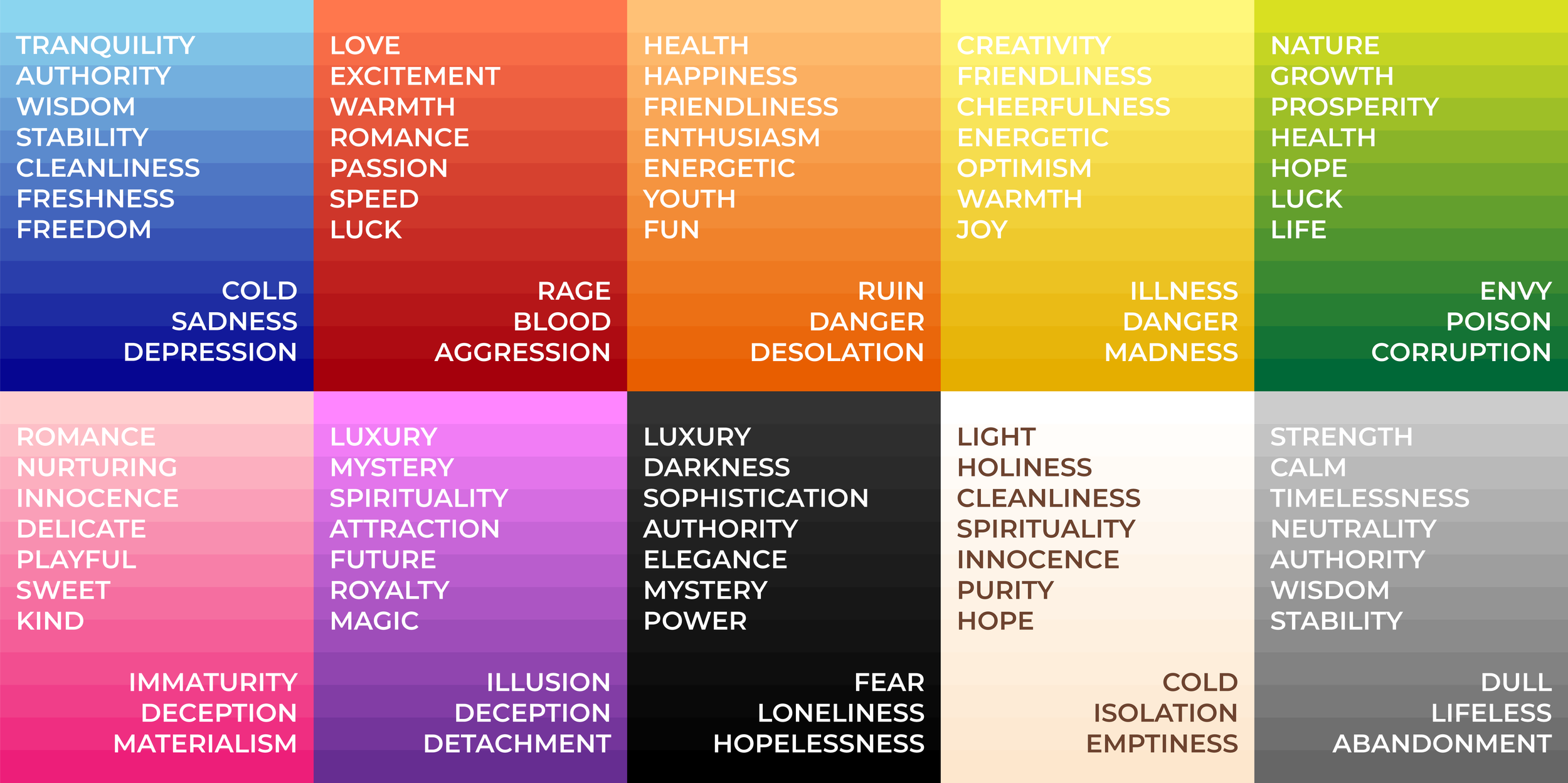
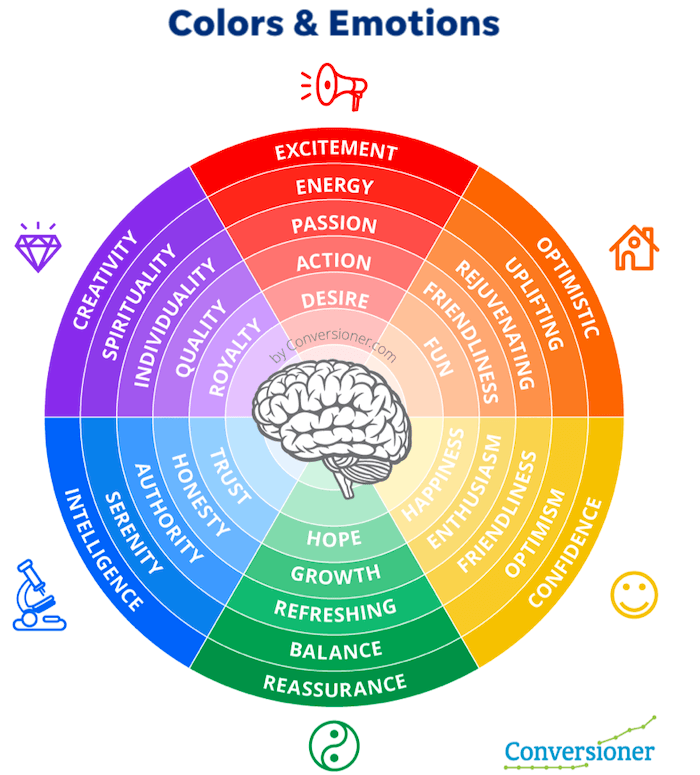
The use of color theory in Bildungsroman is depicted as a visual metaphor for a protagonist's pscyhological growth. The color palette shifts from playful colors like pink, orange, and blue. To warmer tones or monotone colors signifying growth in maturity. A pefect example of the color theory used in my genre is the film "The Color Purple". The protagonist Celie escapes oppression to independence. The color purple is used to symbolize detachment and conveys themes of self-worth. This highlights her growth which is used in the Bildungsroman genre.
Narratives
Narratives are structured events that define the specific category of film. Connecting characters, settings, and conflicts to deliver a story using conventions like plot twists. Which is tailored to the target audience of that category. Some key components of narratives are conflicts, perspectives, and strcutured storytelling.
Common narrative structures in Bildungsroman are the journey, conflict with society, and loss. The journey describes a protagonist moving away and encountering themselves with various challenges. Conflict with society shows tension between a protagonist and society restrictions. Loss depicts a character who deals with losing someone who was important to them. Some key narrative types is first-person retrospective where a protagonist narrates their story from a later perspective relfecting on mistakes made in the past. This narrative type could be helpful with my film opening, I like the idea of reflecting back. The orphan narrative is another key type where the protagonist is an orphan and is shown detached from social norms during their growth.
Key Character Types
The innocent protagonist: A character that has a narrow view of the world and undergoes a loss of innocence as they confront realities of the world.
The misfit: A character who feels different/alienated from society before finding their home.
The mentor: An older character who provides guidence to protagonist.
The artist: A character who focuses on development of the creative consiousness.
The peer: Represents a contrast to protagonist who reflect on societal pressures while providing emotional support.
The antagonist: Society or a restrcitive environment that creates conflcit/ obsticales for the protagonist.
Resources:
https://www.colormatters.com/color-and-design/basic-color-theory
https://www.serenaarchetti.com/blog/the-meaning-of-colors-how-to-use-colors-in-your-art
https://blog.logrocket.com/ux-design/color-psychology-chart/
https://www.youtube.com/watch?v=hzZK0sNQQB0
https://medium.com/@evolvebypaperclip/colour-theory-in-movies-how-filmmakers-use-colour-to-tell-stories-e7569cc490fa
https://www.youtube.com/watch?v=hzZK0sNQQB0
https://blog.sigmaphoto.com/2021/the-role-of-color-in-filmmaking/#:~:text=Bright%20and%20vibrant%20color%20palettes,used%20to%20convey%20certain%20moods.
https://www.youtube.com/watch?v=3-yijZq0_aw&t=3s
https://misterdoctorcoachguy.com/what-are-genres/narrative/#:~:text=Narrative%20tells%20a%20story%E2%80%94that,Society.
https://www.litcharts.com/literary-devices-and-terms/bildungsroman#:~:text=The%20following%20examples%20showcase%20the,are%20typical%20of%20the%20genre.
https://www.joinexpeditions.com/exps/630-bildungsroman-how-literature-responds-to-real-problems
https://gosparkpress.com/genre-101-bildungsroman/


No comments:
Post a Comment